Crochet Practice 3: Resources and Vocabulary
I know I said in my last post that I’d update on the bag I’m making, but I wanted to pause updates for a bit to explain more in depth what I’ve learned about crochet.
I have mentioned the site that I use for patterns a few times on this blog, but I want to take the time to explain what this site is and how it works.
Ravelry is a pattern-sharing site; people can post the pieces they’ve crocheted or knitted (or other types of fiber crafts) and anyone can see the finished pieces. Each post links to that person’s own personal blog where the actual pattern can be viewed. Some patterns are free, and there are search filters for finding them. Some patterns are paid, and can be purchased through Ravelry itself.
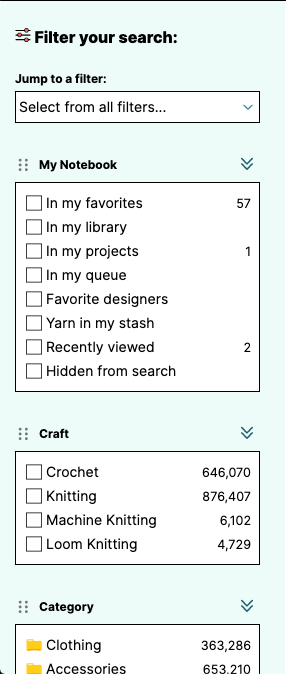
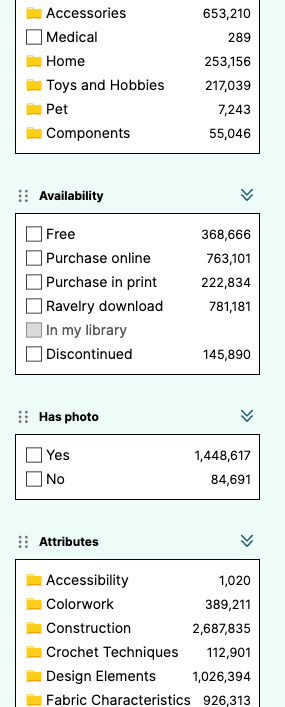
There is also a community feature where people can respond to a Ravelry post sharing a pattern and show pictures & explanation of what they made using that pattern. This helps people see how a variety of yarns work for each piece and what adjustments can be made to the pattern. You will need an account on the site to view people’s posts and purchase patterns, but accounts are free to make.
Another important aspect of crochet is the materials used. Each pattern has a listed yarn size, and each yarn size has a corresponding crochet hook size. This means buying yarn for projects can be really tedious, and the yarn tends to pile up quickly. I typically buy DK (double knit) weight yarn and use a 3.5mm crochet hook, so I have consistency in the yarn I’m using and don’t have to constantly buy the same colour of yarn in a million sizes. When buying other yarn sizes, I usually check a size chart to know what hook I’ll need.
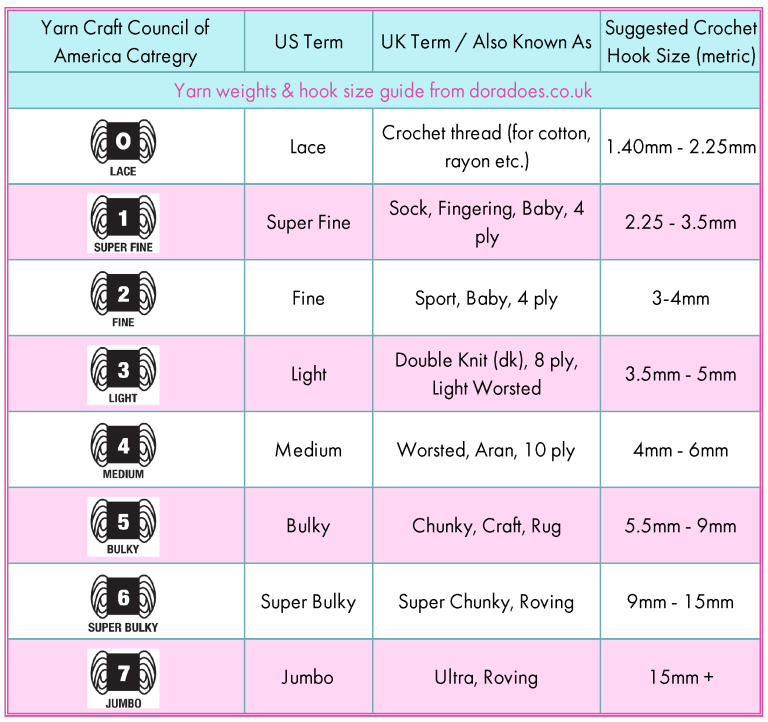
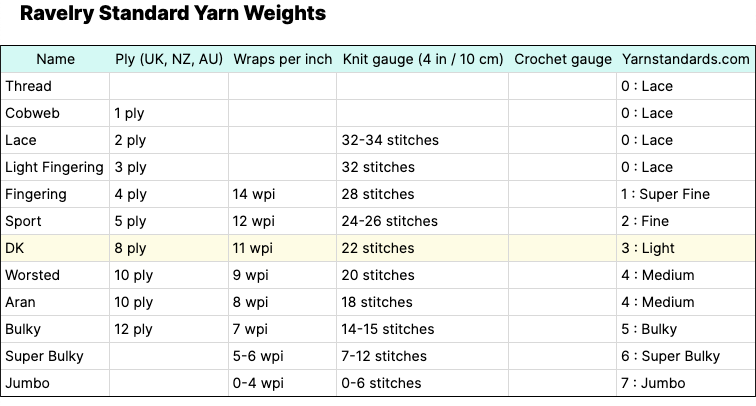
There are many crochet size charts out there that are easy to find, but these can get pretty complicated and difficult to understand. Luckily, most yarn comes in packaging already labelled with the yarn’s size and desired crochet hook.
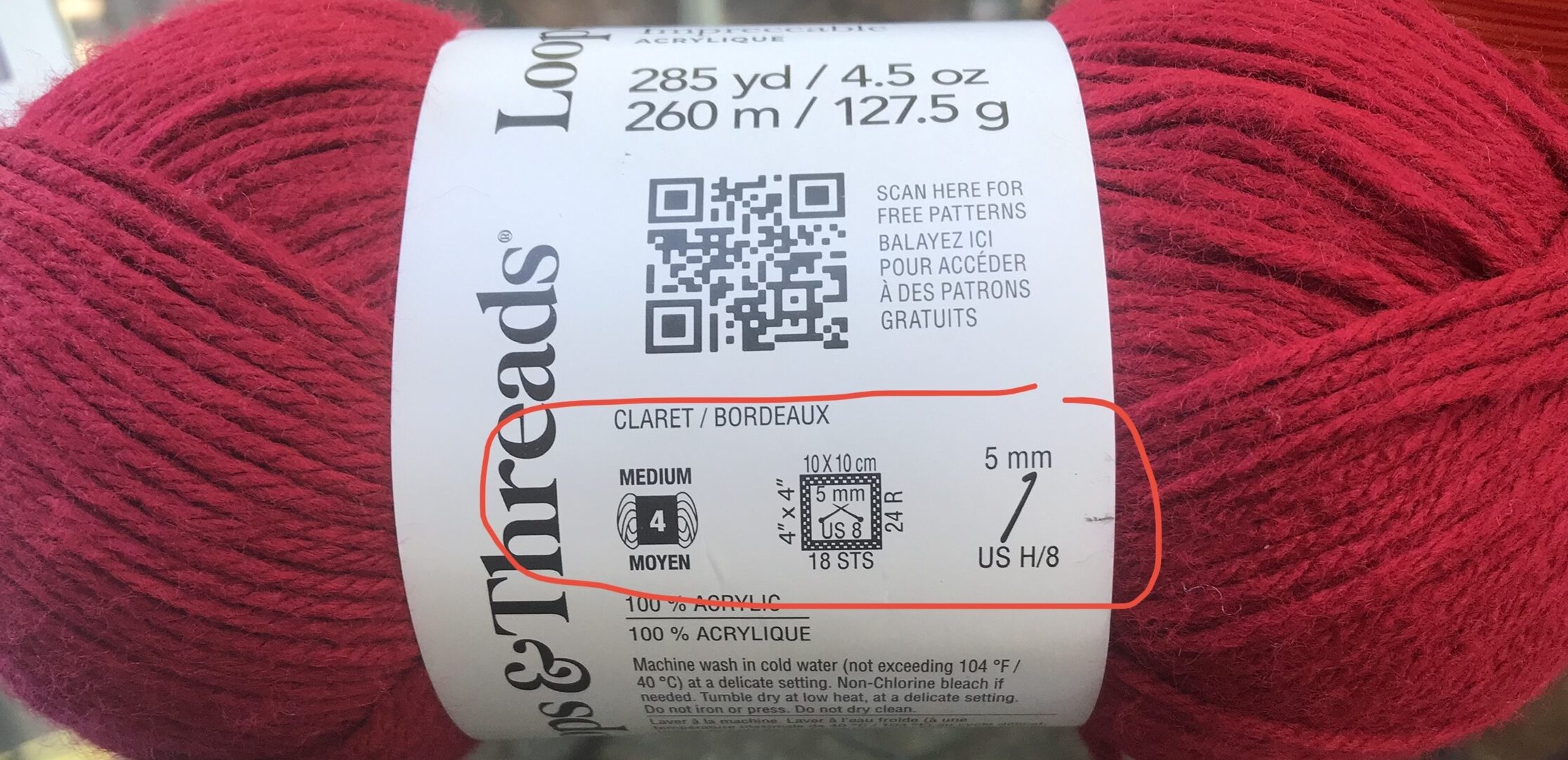
You can use a different hook from the ones listed, but using different hook sizes for the same yarn will change its “gauge,” aka the distance between the stitches (I’m still not very familiar with different gauges, but I found more information on them here).
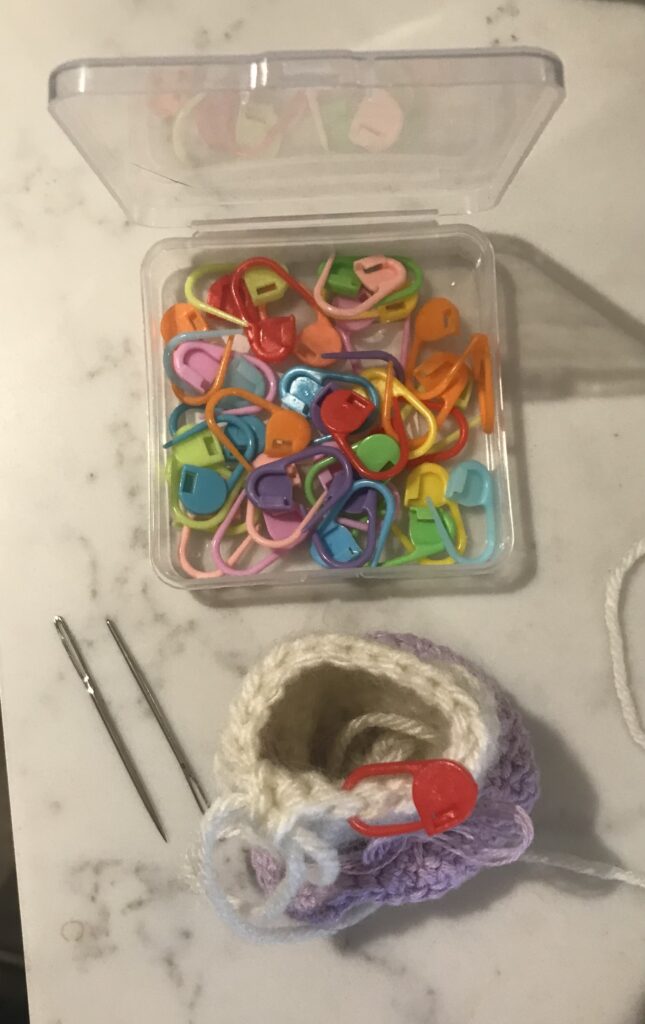
Crochet patterns also follow rounds/rows of stitches that can be difficult to keep track of, so most people use stitch markers to keep their place. I also use tapestry needles (larger than sewing needles) for sewing together projects or sewing in loose ends of yarn.
Crochet can get expensive because there are so many different materials required, but there are ways to buy yarn cheap. The dollar store sells hooks and yarn, and thrift stores can even have a yarn section! These materials won’t have the same quality of more expensive ones, but high quality materials aren’t always necessary for the small crafts I like to make.
The last thing to know about crochet is the vocabulary used for stitches. Most patterns have a legend at the beginning to list the stitch terms and then use abbreviations throughout the actual pattern.
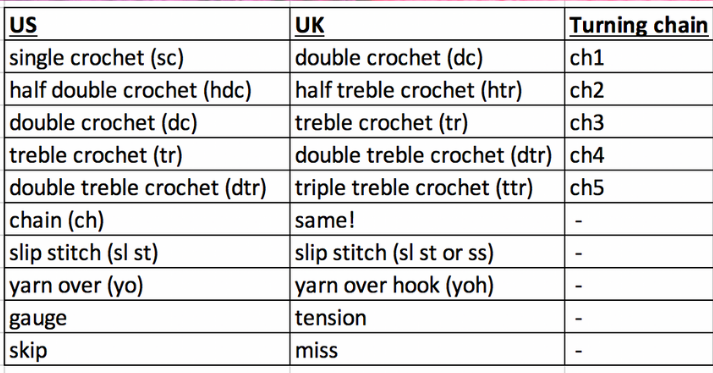
As you may have noticed from the previous examples of crochet charts, the vocabulary used for crochet also changes depending on whether it’s a US or UK pattern. Thankfully, most vocab charts list both terms.
There have been a few times where a pattern listed a stitch that I still couldn’t understand, but they are easy to look up and find YouTube tutorials for!
The main thing I’ve learned about crochet is that there is a great community of crocheters out there (both online and in person) that are excited about sharing this hobby. I’m lucky enough that my mom had already been knitting for years before I began crochet, so she was a big help with picking out yarns, explaining concepts, and sharing some of her yarn with me. But even if I didn’t have her to talk to, resources are easy to access with some quick searches, thousands of patterns are just free online, and people are willing to answer any questions about this craft.
I’m really happy about the connections I’ve made through this hobby, and I look forwards to learning more about it as I go through this inquiry!